
Some of the most important moments in healthcare happen before a patient ever reaches the hospital. For newborns delivered unexpectedly at home, in a vehicle, or other out-of-hospital settings, those first minutes can be especially critical.
At JPS Health Network, neonatal and emergency teams identified a concerning trend: newborns arriving after out-of-hospital deliveries were often dangerously cold, sometimes with temperatures too low to record. In response, JPS partnered with the Fort Worth Fire Department to improve how newborns are kept warm during transport, helping protect some of the community’s most vulnerable patients from the very start.
“It speaks volumes about the trust between the hospital system and Fort Worth Fire. We were able to come together, identify a problem, and fix it together.”
Research highlights the importance of early thermoregulation in newborns. A 2025 American Academy of Pediatrics blog, summarizing a systematic review of more than 300,000 infants, found that preterm newborns with hypothermia on admission have nearly double the risk of death, along with higher rates of complications such as chronic lung disease, infection, and brain injury (A Cold Truth: The Lethal Link Between Hypothermia and Preterm Infant Survival).
For clinicians, the issue was urgent. A newborn’s temperature is critical in the first moments of life, and even mild hypothermia can lead to serious complications.
“When a baby becomes even mildly hypothermic, that can affect glucose levels and respiratory effort,” said Lauren Taylor, MSN, RNC-NIC, LSSYB, Perinatal Performance Improvement Coordinator at JPS. “Keeping that baby warm is part of the transitional process.”
Deliveries that occur outside of a hospital, whether at home, in a car, or in other non-hospital settings, present unique challenges. First responders must act in unpredictable environments, often prioritizing survival and stabilization.
“It’s a hectic scene,” said Matthew Willens, EMS Supervisor of Training and Education. “The last baby I delivered personally was on the side of the road in a car, so you’re not thinking about keeping the baby warm; we’re thinking, is the baby breathing? Is Mom okay?”
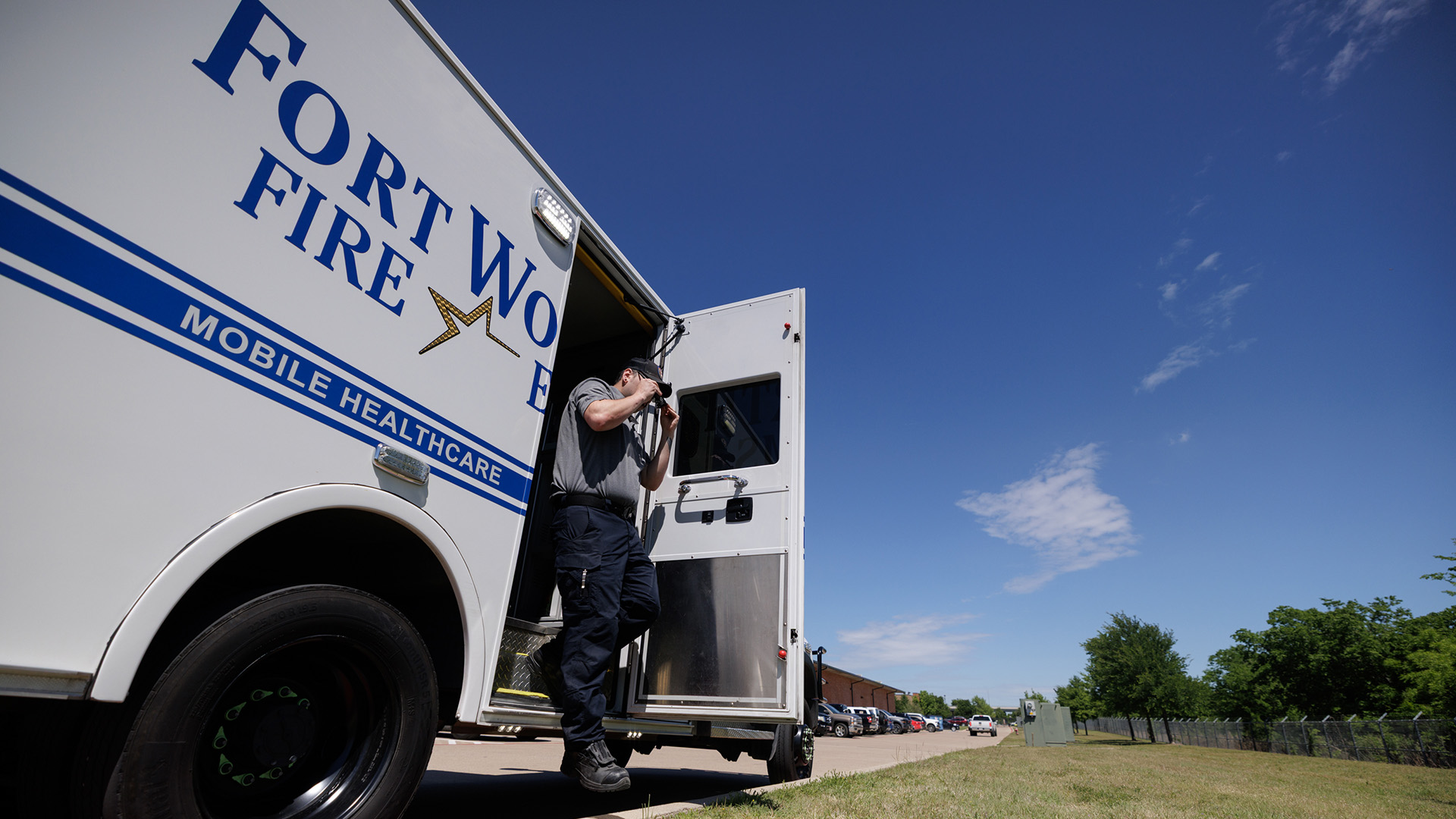
Before new interventions, EMS teams had limited options to regulate a newborn’s temperature during transport. Skin-to-skin and OB kit wraps were used when possible, but safety, protocols, and maternal needs often made skin-to-skin unfeasible—despite its critical impact, said Reveca Alaniz, RN, Outreach & Clinical Education.
“The priority is safe delivery and then placing the baby skin-to-skin with the mother to help regulate temperature until emergency services arrive,” Alaniz said.
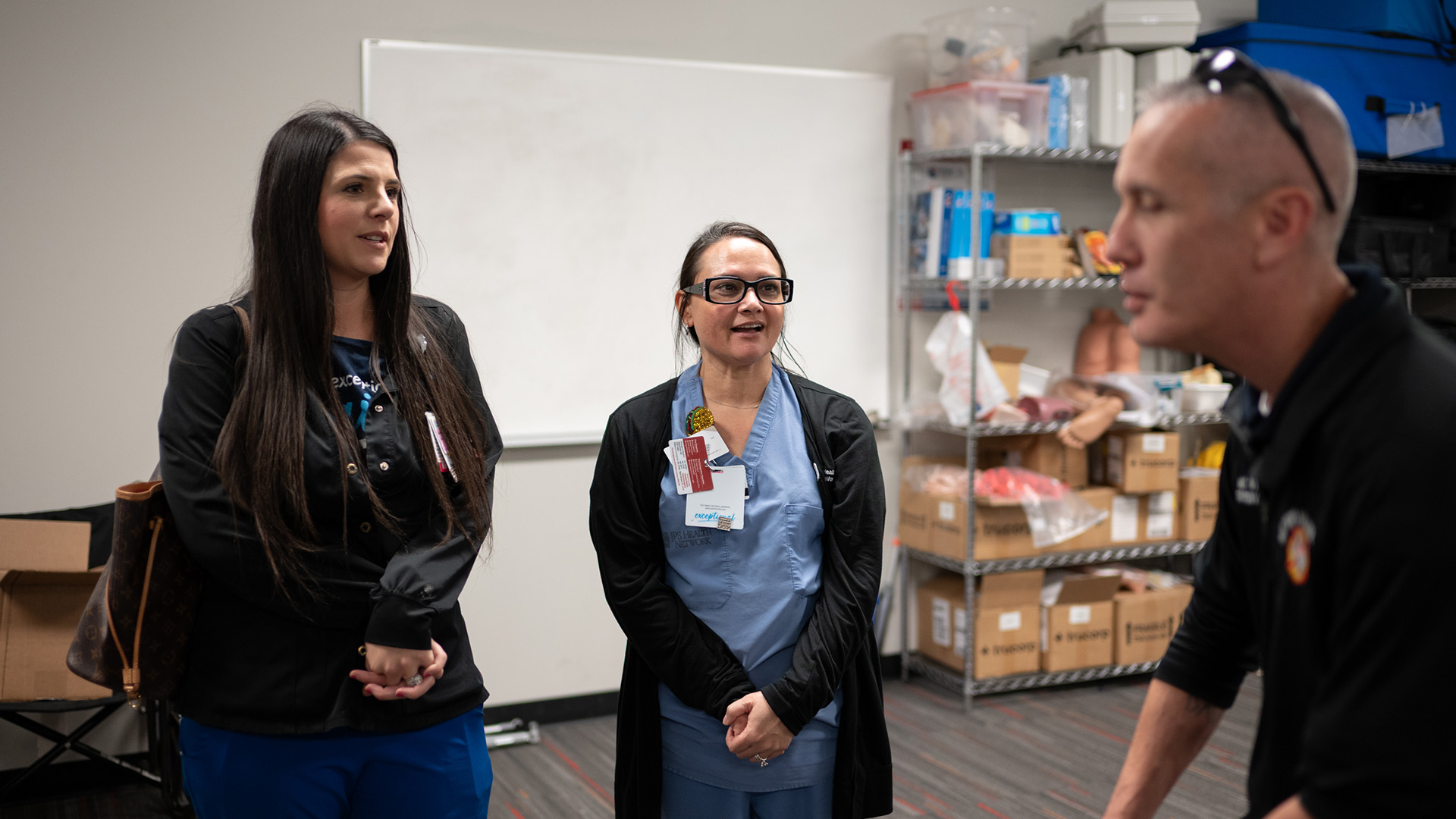
As neonatal teams continued to see a pattern of hypothermic newborns arriving from field deliveries, Taylor connected with EMS leadership to explore solutions. The effort brought together JPS neonatal teams and regional EMS leadership, including Associate Medical Director Brian Miller.
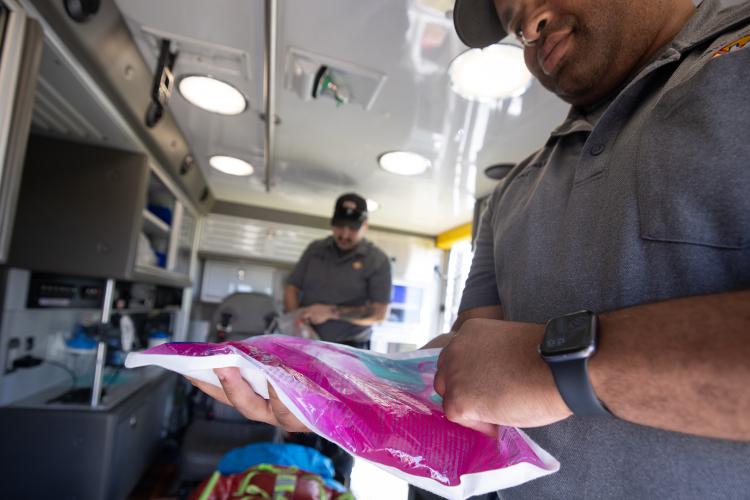
The teams identified a practical solution, which was thermal warming mattresses designed for newborn transport. Activated by a chemical reaction similar to a heat pack, the device provides controlled warmth without adding bulk.
“It was one of those situations where the solution came quickly,” Taylor said. “We also had to ensure it fit within the constraints of the ambulance and would actually be used in the field.”
Since the implementation, JPS has seen a reduction in hypothermia among newborns arriving after out-of-hospital deliveries.
The improvement reflects both the introduction of warming technology and strengthened communication between EMS and hospital teams.
Today, team members from both sides continue to review transfers and identify opportunities for improvement.
“We review every transfer that comes in,” Taylor said. “If there are complications or trends, we talk about them.”
That feedback loop also extends to EMS providers, reinforcing the impact of care delivered in the field.
“It speaks volumes about the trust between the hospital system and EMS,” Willens said. “We were able to come together, identify a problem, and fix it together.”
For JPS and the Fort Worth team, the initiative reflects a shared commitment to improving outcomes from the very first moments of life.
“It’s a continued commitment to the best care for moms and babies,” Taylor said. “If we can get them from the field to the hospital in better condition, that’s what matters most.”